
By Bill Daniel
When the Gateway RC Club hosted its public airshow, organizers hoped for steady growth. What they got instead was a stunning leap in attendance—from 120 guests in the first year to more than 600 in the second—proving just how powerful the right social media strategy can be.
Based in Jacksonville, Florida, Gateway RC Club operates its flying field in partnership with the City of Jacksonville Parks Department. Over the years, the club has built a strong reputation for staging exciting radio-control aviation events, including the popular Jax Jet Madness fly-in.
The event was originally launched by member Warren Bio and later carried forward by James Hannah and John Abbott, who moved it to the former Florida Jets date and helped grow its audience. By March 2026, Jax Jet Madness had evolved into a vendor-supported, 50-pilot jet extravaganza, with Darren Olivario, Keith Murphy, Andy Griffith, and a returning Warren continuing the momentum.
At the same time, club leaders were preparing for the 2nd Annual Jacksonville Big Little Airshow, an event designed to shift the focus from pilots to spectators. The goal was simple: create an action-packed, family-friendly showcase that would introduce more people to RC aviation and to the club itself.
The program was carefully designed for public appeal: an airshow from 11 a.m. to noon, followed by lunch and children’s activities, then a high-energy finale featuring large-scale aircraft and dramatic 3D performances by guest pilots from Team Extreme Flight.
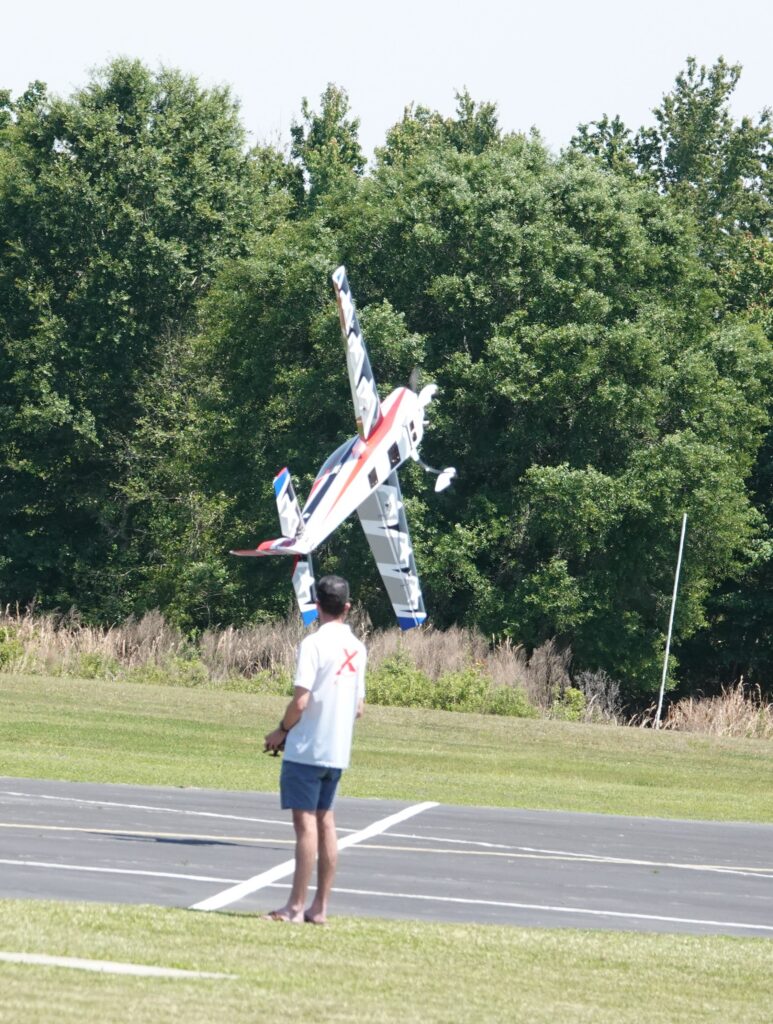
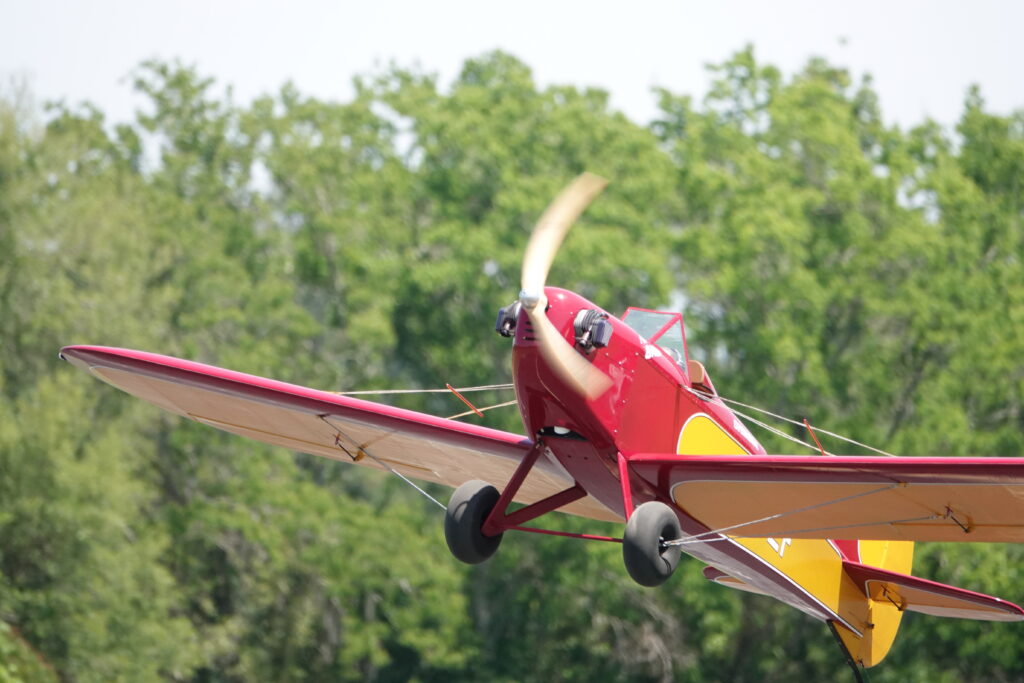
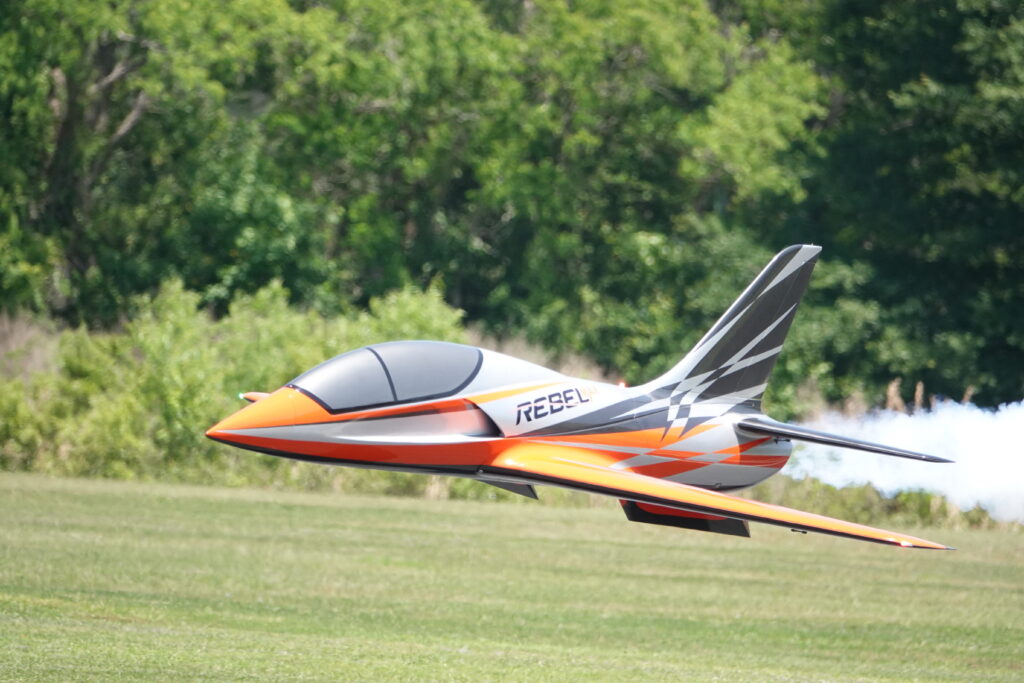
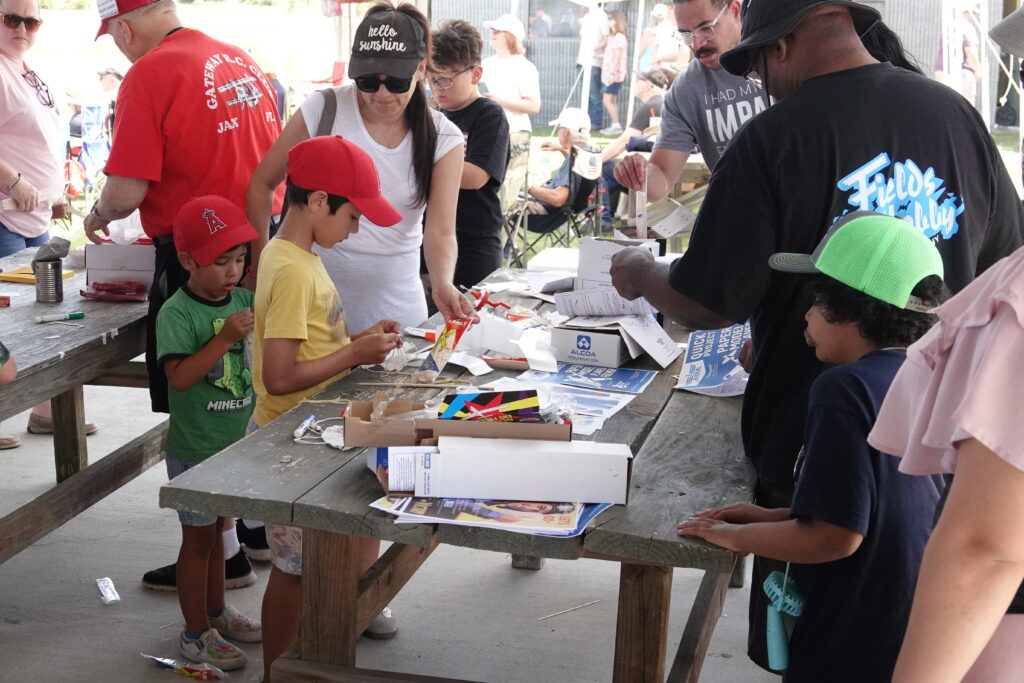
Promotion followed the usual playbook: press releases to local media, invitations to city staff, outreach to community contacts, and steady updates through the club’s Facebook page. But one connection changed everything.
That connection was Eric Dunn, a Jacksonville-based social media personality known for spotlighting fun, free activities in the city’s extensive park system. The club invited him to attend Jax Jet Madness, where the speed, sound, and spectacle of 50 jets in action made an immediate impression.
Dunn’s enthusiasm translated into compelling online coverage, and his posts gave the Jacksonville Big Little Airshow visibility far beyond the club’s usual reach. According to organizers, every guest they spoke with said they had heard about the event on Facebook.
Organizers Bill Daniel, Jeremy Lee, and Wayne Clark had expected attendance to grow from roughly 100 guests to perhaps 200. Instead, the event drew more than 600 people—a result that underscored the influence of social media when paired with the right messenger.
For Gateway RC Club, the lesson was clear: traditional promotion still matters, but social media can dramatically amplify visibility when it reaches the right audience through trusted local voices.
What the Club Learned
First, the fundamentals matter: a solid website, media outreach, flyers, and direct invitations from members all help establish a strong promotional base.
Second, social media works best when it is active and current. A Facebook page with fresh, engaging content leading up to an event can build anticipation and keep the community informed.
Third, identifying local influencers who already connect with your target audience can make an outsized difference in awareness and turnout.
And finally, inviting those influencers to experience your strongest event in person can generate authentic excitement that no paid promotion can easily match.
When that enthusiasm aligns with a clear mission, the results can be explosive.
Looking ahead, Gateway RC Club is already preparing for the 3rd Annual Jacksonville Big Little Airshow in 2027, with plans for a record-setting crowd. That means expanding food service, restrooms, parking, and the Kid’s Zone to meet growing demand.
If the last event was any indication, the club’s next challenge will not be attracting attention—it will be keeping up with it.
Youtube of the Event
Facebook posts Prior to Event
https://www.facebook.com/share/r/14gPfS1b7Zq/?mibextid=wwXIfr